A DIRECTION TO EXPLORE
2D Animation
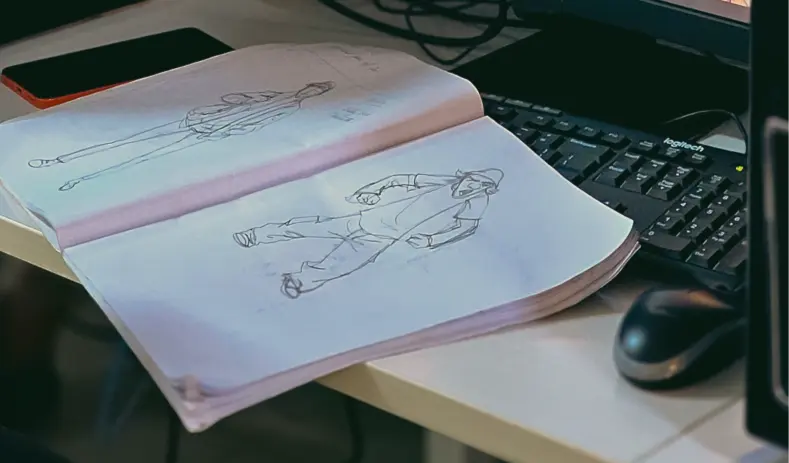
Illustrated worlds with expressive characters. The subject, audience and final placement will help shape the treatment.
 flickwickSTUDIO
INDEPENDENT MINDS. MOVING WORLDS.
Flickwick Studio is an animation studio for ideas that deserve more than a still frame. Explainers, motion design, 2D worlds, 3D stories and software made simple.
Good animation helps someone see an idea differently. A complex service can become a story with a clear beginning.
Prepare animation studio with factual references and a clear approval path.
Choose an animation company around the clarity of its thinking and the suitability of its creative approach.
In animation studio, early creative reviews help identify changes before detailed production.
A big idea, turned into a clear story.
02 /Type, shapes and information with rhythm.
03 /Illustrated worlds with expressive characters.
04 /Form, light and a useful new perspective.
05 /Software workflows made understandable.
A useful collaboration makes the creative decisions easier to understand. Our approach emphasizes:
PICK A STARTING POINT
A useful direction starts with what you want to communicate. These suggestions are a starting point, not a rule about which style is best.
A DIRECTION TO EXPLORE
Illustrated worlds with expressive characters. The subject, audience and final placement will help shape the treatment.
A DIRECTION TO EXPLORE
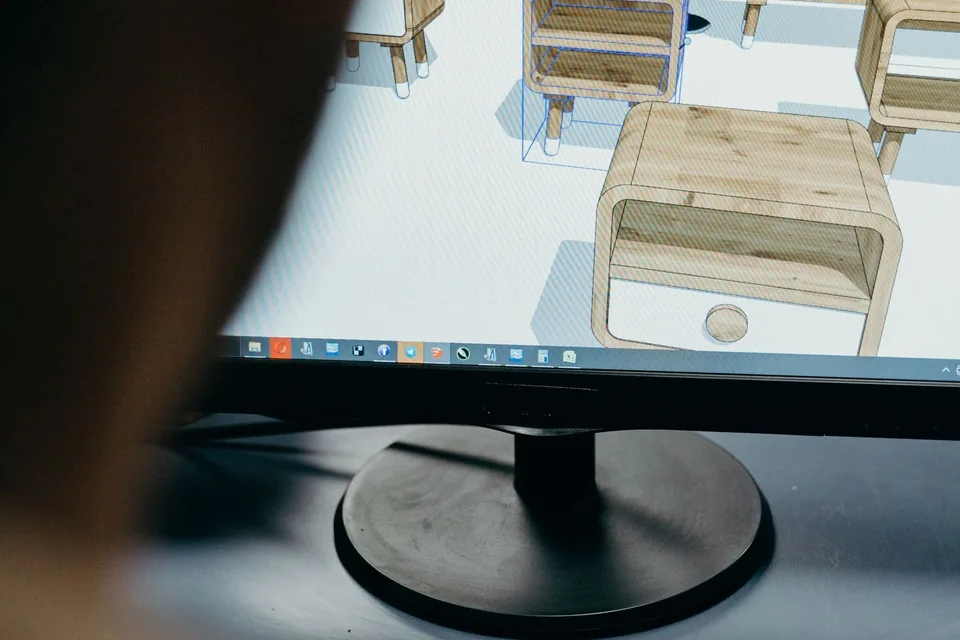
Form, light and a useful new perspective. The subject, audience and final placement will help shape the treatment.
A DIRECTION TO EXPLORE
Type, shapes and information with rhythm. The subject, audience and final placement will help shape the treatment.
A DIRECTION TO EXPLORE
Software workflows made understandable. The subject, audience and final placement will help shape the treatment.
A DIRECTION TO EXPLORE
A big idea, turned into a clear story. The subject, audience and final placement will help shape the treatment.
Explore the services below to find an approach that matches your subject. Each page explains where the discipline can help, what planning it needs and which choices affect the scope.
THE SCREEN IS READY
Approved projects will appear here with films, frames and the story behind the work. No client projects have been supplied yet; the illustrations on this site are original visual concepts.
Discuss your story
Our animation services connect strategy, design and movement around one message.
Define the audience, purpose and approved facts.
Choose a direction that supports the message.
Write the central argument in clear language.
Map the sequence and check for missing steps.
Review characters, type, materials and representative frames.
Develop timing, performance and the agreed sound direction.
Check accuracy, readability and consolidated feedback.
Review exports, captions, formats and usage permissions.
Choose the approach around what your audience needs to understand. The disciplines can overlap, but a clear starting point helps the visual direction and the production scope work together.
| Service | Creative focus | A useful fit when… |
|---|---|---|
| Explainer Videos | Narrative clarity | Introduce an offer. |
| Motion Graphics | Type and diagrams | Organize information. |
| 2D Animation | Illustrated performance | Express a situation. |
| 3D Animation | Form and perspective | Show spatial relationships. |
| SaaS Explainers | Software workflows | Explain a user task. |
Think about the setting as well as the subject. A social clip may be watched silently on a small screen; a presentation may be accompanied by a speaker; a learning resource may need to pause and repeat.
A video animation studio should help you decide what belongs on screen and what can be left out.
The scope of animation studio should include the formats and variations you actually need.
An animation portfolio should show real work with enough context to understand the assignment. A useful project page explains the challenge, the chosen discipline and how the visuals address the message.
A typical animation project develops through a brief, narrative planning, visual exploration, movement and delivery. The brief names the audience, purpose and constraints.
For animation studio, agree the revision stages alongside the proposed deliverables.
A creative animation studio brings personality to the work while keeping the purpose easy to follow.
Plan animation studio around the approved message and the place people will watch.
What does your audience already know? What are they uncertain about?
For animation studio, compare illustration, graphic motion and dimensional form.
Our journal is built for useful guides about choosing styles, planning scripts and understanding animation production. Articles should answer practical questions that support a decision, while service pages explain the commercial offer.
Choose an animation style around what your audience needs to understand. Character-led drawing can explain a situation, motion graphics can organize information, and 3D can show spatial relationships. Compare the message, viewing context, available assets, and future update needs before deciding how the film should look.
An animation brief should identify the audience, one main message, and where the film will appear. Add approved brand assets, factual references, accessibility requirements, and the people responsible for reviews. Share known budget or timing constraints, but explain the business goal even when those decisions are still open.
Animation cost depends on the scope of the work, including style, length, asset creation, sound, output formats, and revisions. Existing approved artwork may reduce some production tasks, while new characters or detailed models require development. A useful estimate follows a reviewed brief; this website does not publish fixed project prices.
A project inquiry gives the studio the information needed to discuss scope and creative direction. Include your audience, intended message, and available references so the next conversation can address practical choices. Sending the form does not automatically book production, confirm a price, or establish an agreed delivery date.
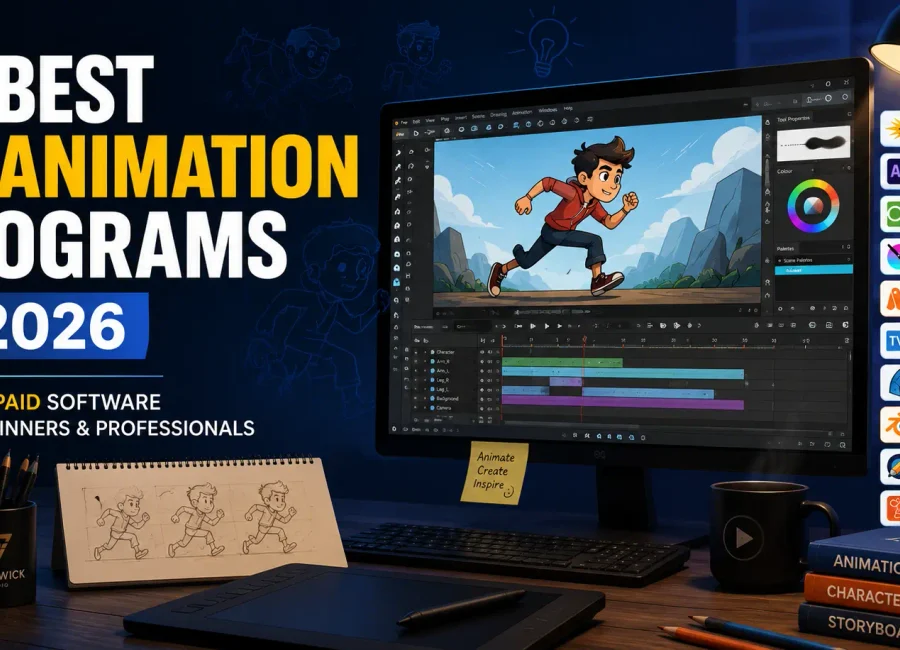
Discover the 10 best 2D animation programs in 2026. Compare free and paid animation software for beginners, artists, and professional animators.
Explaining a product, service, or business idea isn’t always easy. You might have an innovative product, a valuable service, or a complicated process, but communicating its value to potential customers can be challenging
Compare 2D and 3D animation through the decisions that matter: audience, spatial detail, character performance, brand fit, production scope and future updates.
Original short effects. No looping audio.