
2D vs 3D Animation: Choosing a Style for the Message
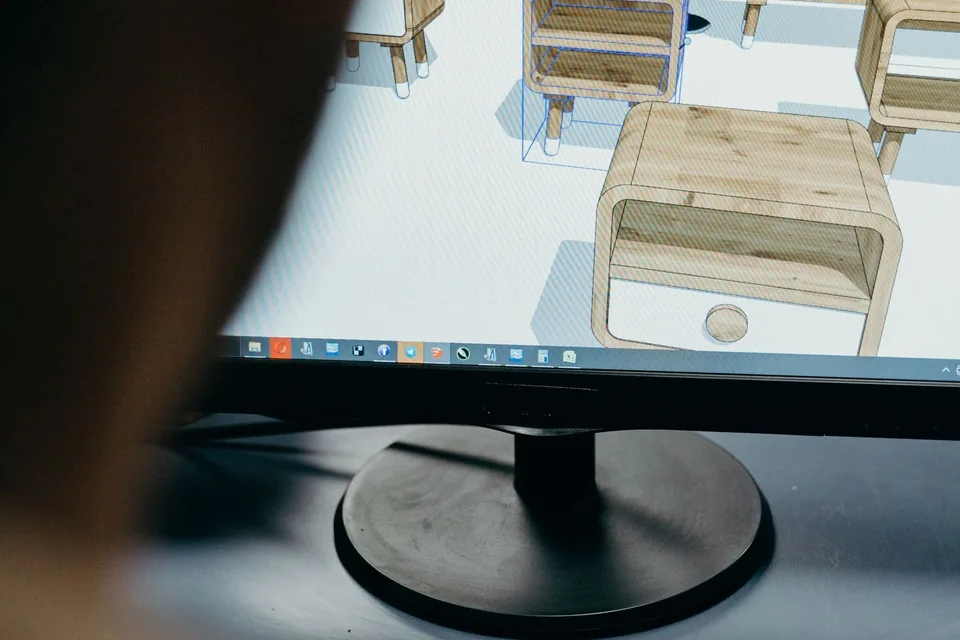
A more useful question than “which looks better?”
Both 2D and 3D animation can be expressive, restrained, playful or technically detailed. Choosing between them by visual prestige alone is therefore a weak starting point. Ask what needs to be understood and which aspects of the subject must be shown. A spatial mechanism, a character’s reaction and an abstract workflow each place different demands on the image.
Write those demands down before collecting references. Must the viewer inspect an object from several angles? Does the story depend on a particular performance? Should the film resemble the surrounding brand illustration? The answer may favour one discipline or suggest a controlled combination. A useful choice is based on what the approach allows you to communicate, not a claim that one medium is universally more advanced.
What 2D brings to a story
2D animation works with drawings, graphic assets and movement in a flat visual space. It can simplify a situation quickly because the artist chooses which details exist at all. A character’s silhouette, a bold line or a change of shape can carry meaning without realistic lighting or a physical location. That freedom is useful for metaphors, education and expressive storytelling.
The production method still matters. Frame-by-frame performance, rig-based character work and graphic cut-out animation have different strengths and workloads. Do not assume every illustrated treatment can be produced in the same way. Ask how the proposed style supports the required movement and what kinds of revisions are straightforward at each stage. A small visual difference can have a large effect on how a character needs to be built.
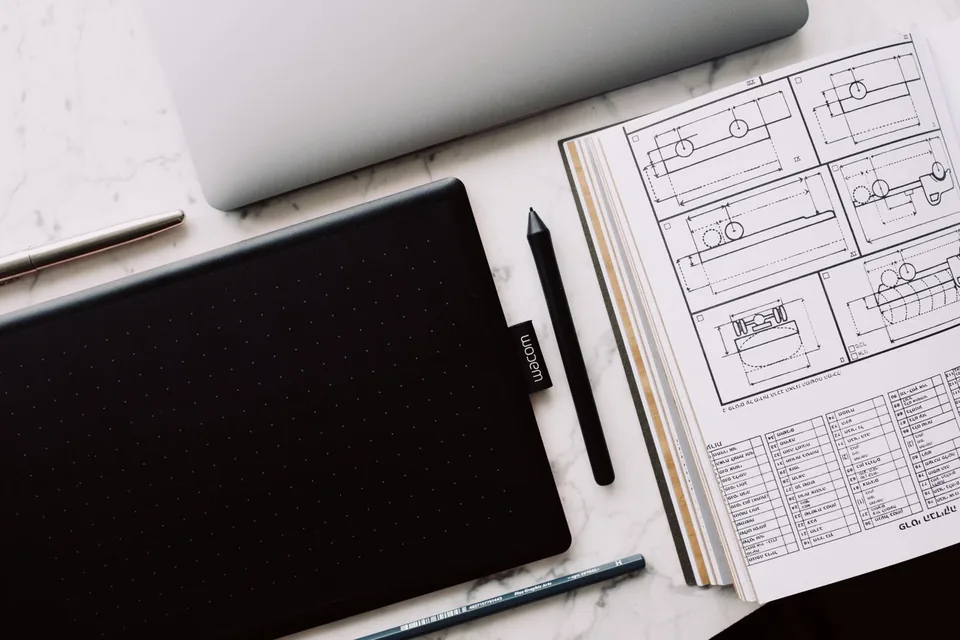
What a dimensional scene makes possible
3D animation offers a spatial environment with geometry, cameras, materials and lights. It can reveal an object’s form as the viewpoint changes, show internal components or create an imagined space with a consistent sense of depth. Those properties are helpful when the audience needs to understand proportion, assembly, surface behaviour or a relationship between physical parts.
A dimensional approach need not be photorealistic. Simplified geometry and stylised materials can be highly distinctive. However, accuracy still requires suitable references when the object represents a real product. Clarify whether a scene is a faithful depiction, an artistic abstraction or a conceptual proposal. The audience should not be asked to infer technical certainty from an image that was designed only as a visual idea.
Compare performance rather than counting dimensions
Characters can work in either medium. Their effectiveness depends on writing, design, posing and timing. A subtle eye movement in a simple illustration can communicate more than a detailed model with unclear acting. Conversely, a dimensional character may suit a particular campaign world or product environment. Discuss the range of expression and action the story needs before committing to a design.
Look at the character in motion, not just in a polished still. Can the silhouette be read at the final display size? Do gestures reinforce the meaning? Is the design capable of the required poses? A motion test can answer these questions before a longer sequence is produced. It is a practical way to assess the fit between an appealing concept and the actual performance requirements.
Brand fit and consistency across touchpoints
An animation usually belongs to a larger experience: a website, campaign, presentation or product interface. Consider how its shapes, typography, colour and pacing connect with that context. A highly realistic sequence can feel disconnected from a flat illustration system unless the transition is designed intentionally. A bold 2D treatment may need adjustment if exact product materials are central to the offer.
Consistency does not require every asset to look identical. Shared visual principles can connect different disciplines. A recurring colour relationship, a measured pace or a particular type treatment may carry the brand across several formats. Document what should remain consistent and where a specific story needs freedom. This gives the work a recognisable identity without forcing an unsuitable style onto every subject.
Scope includes more than the running time
Comparing quotations only by video length can hide important differences. In 2D, custom drawing, character rigs, performance and background detail influence the work. In 3D, modelling, material development, lighting, simulation and rendering can be significant. Both need planning, revisions and suitable delivery formats. Neither is automatically cheaper without a defined treatment and scope.
Ask what can be reused, which scenes require bespoke work and what happens if the subject changes. Existing illustrations or CAD assets can help, but their quality, rights and suitability need checking. Include language variants, captions and different aspect ratios in the discussion. A realistic plan describes assumptions and trade-offs rather than promising every creative option at a single rate.
Think about the second version before finishing the first
Future updates can influence how the project should be organised. Software screens may change frequently; a physical product may gain a new finish; an educational film may need corrected terminology. Ask which elements are likely to change and how those updates would be approached. Keeping source assets organised is useful, but it does not make every revision trivial.
Agree what handover is required and whether the receiving team has the tools and licences to use it. Finished video, editable production files and web-interactive assets are separate deliverables. If the animation will be embedded online, captions and static supporting information can remain useful regardless of the chosen medium. Plan the viewer’s experience as well as the production workflow.
Make a shortlist based on the message
Choose two or three directions and describe why each might work. Compare them against the same requirements: clarity, tone, factual accuracy, placements, accessibility, maintenance and available budget. A short visual exploration can then test the most important uncertainty. That is more productive than collecting an ever-growing folder of unrelated references and hoping one eventually feels right.
Read more about 2D animation services and 3D animation services for discipline-specific planning. If words, symbols and diagrams should lead, consider motion graphics as well. You can discuss the message before choosing the style. The strongest decision is the one that gives the audience a clear route into the idea and gives the production a scope that can be understood.