
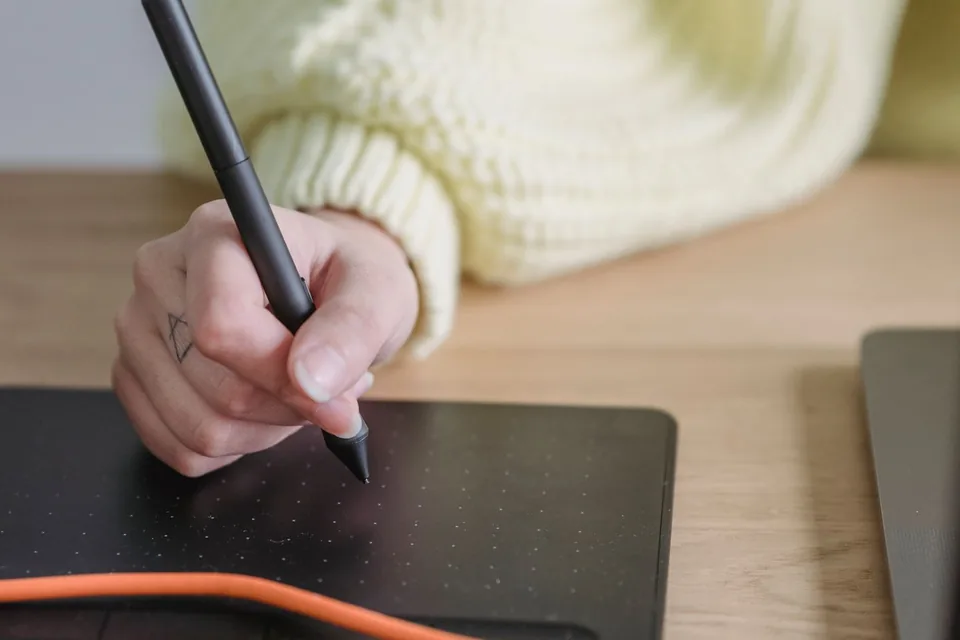
An illustrated world with something to say
2D animation creates movement in a two-dimensional visual space. Drawings, illustrated assets or digital shapes can be animated frame by frame, with rigs, or through a combination of approaches. The result can range from spare graphic storytelling to expressive character performance. What connects those styles is a deliberate relationship between drawing, timing and the idea being communicated.
Flickwick Studio’s 2D animation direction uses bold outlines, clear silhouettes and expressive motion to bring ideas into focus. A character can make a problem recognisable without recreating a real location. An invented landscape can show an invisible process. The freedom of illustration is useful when it clarifies the subject, but it still needs a consistent visual language and a story that respects the audience’s attention.
Characters are a storytelling decision
An effective animated character does more than decorate a scene. Their goal, reaction and change can give the audience a route through an unfamiliar idea. A small pause may communicate uncertainty; a change in posture can show relief. Character design should account for those actions early, because a striking still image is not automatically easy to animate or recognise at a small size.
Consider how much personality the message needs. A friendly illustrated guide may suit customer education, while a sensitive topic can require restraint. Avoid relying on stereotypes to establish a role. Shape, gesture, props and context can communicate who someone is without reducing them to a caricature. Any character representing a real person or organisation needs an approved reference and permission where appropriate.
Cartoon storytelling for commercial communication
Cartoon-inspired work can feel playful and still serve a serious business purpose. A visual metaphor may make a complex issue easier to remember: disconnected objects become a working system, or an oversized obstacle becomes a manageable series of steps. The metaphor should be understandable without a lengthy explanation of its own. Humour works best when it belongs to the situation rather than interrupting it.
Useful applications include brand stories, product introductions, internal communications, promotional films and animated explainer videos. The same illustration system can extend into shorter clips or presentation assets when those outputs are planned in advance. Do not assume a long film can simply be cut into any format; scene composition, wording and pacing often need adaptation for each viewing context.
A little look at the moving parts
01 / Meet the character
Start with a clear silhouette and a recognisable intention. Personality comes from the way a character reacts, not just its decorative details.
02 / Feel the action
Use anticipation, gesture and a controlled stretch to make movement readable. Keep the performance consistent with the story’s tone.
03 / Share the world
Connect characters and scenery through a coherent illustration language. Plan recurring assets around the situations they need to support.
Educational animation that makes room to learn
Educational 2D animation can show an action repeatedly, separate a process into stages and draw attention to relationships that are hard to see in live footage. Start with the learning objective rather than the list of topics. What should the learner be able to describe or do afterwards? Use that answer to choose examples, visual labels and where the sequence needs a moment to pause.
Accuracy, reading level and accessibility belong in the brief. A subject specialist may need to approve terminology and diagrams, while captions or a transcript can offer another route to the information. Give essential labels enough screen time and avoid using colour as the only signal. If the material will be updated regularly, agree how text, narration and reusable scenes can be maintained without rebuilding the whole film.
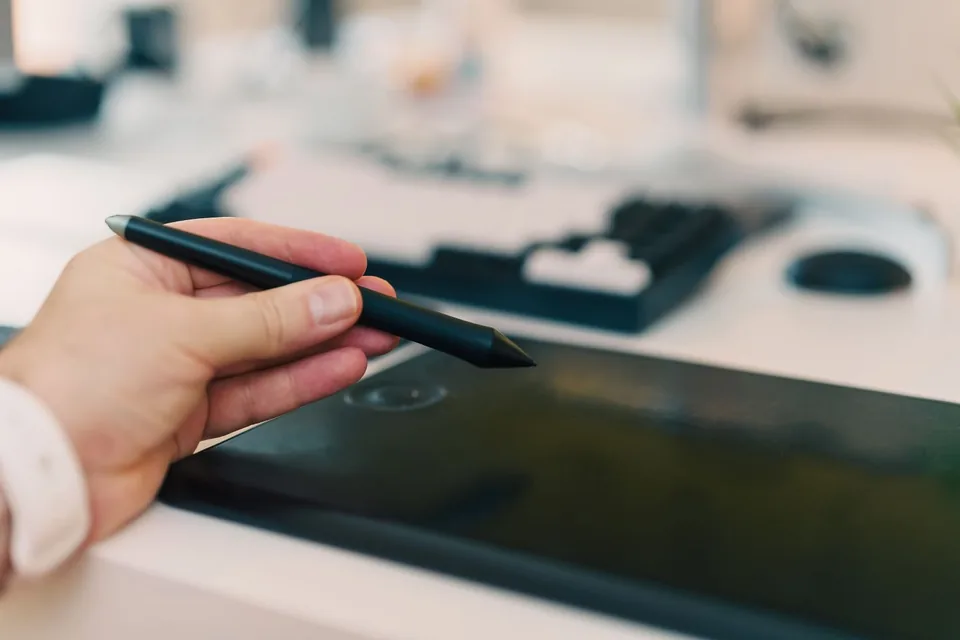
Choose a style that fits the message
Frame-by-frame animation offers flexible drawing and nuanced performance, while rig-based workflows can help with repeatable poses and consistent characters. Cut-out approaches, textured illustrations and clean vector styles each have a different feel. These are creative and production choices rather than a ranking from basic to premium. A deliberate limited-animation treatment can be more effective than constant movement applied without purpose.
Compare your needs with 3D animation if object rotation, spatial inspection or realistic materials are central to the message. Explore motion graphics when text, diagrams and graphic relationships should lead. Hybrid work is possible, but it needs art direction so the parts belong together. Choose references for specific qualities such as line weight or performance, not as instructions to copy an existing character or franchise.
Develop the performance before polishing every frame
A typical 2D production begins with a brief, script and storyboard. Character explorations and style frames establish the visual world. An animatic tests scene length and storytelling; rough motion or key poses can then test performance before final clean-up, colour and compositing. Sound and delivery requirements should be considered early enough to influence pacing. The exact stages depend on the chosen animation method.
Agree who approves the script, character designs and movement tests. A late change to a character’s proportions can affect many scenes, while a small text correction may be comparatively simple. Consolidate feedback and explain the communication problem behind each request. That makes it easier to find a creative solution instead of layering unrelated preferences into the film. Confirm what revisions and outputs are included before detailed production begins.
Budget for the parts that carry the story
Important cost factors include character count, drawing complexity, frame-by-frame performance, scene changes, background detail, voiceover, sound and language versions. Duration matters, but a few seconds of complex acting can take more work than a longer graphic transition. Reusing a character or background can help where the story naturally supports it. Repetition should not make the film feel like a collection of unrelated template scenes.
Prepare the intended audience, communication goal, brand assets, placement list and any essential character or product references. Share the constraints honestly so the approach can be designed around them. A useful quote explains assumptions and deliverables rather than promising every possible style at a single price. Start a 2D animation brief with a description of the idea, even if the visual direction is still open.
Give the character a job before giving it a costume
Imagine a character trying to move a collection of mismatched shapes through a doorway. That action can become a metaphor for a difficult workflow, but the performance needs a clear intention. What does the character expect to happen? When do they realise the problem? What changes their approach? Those questions guide anticipation, timing and reaction. Decorative movement alone cannot replace that small piece of storytelling.
Explore a few key poses before refining costume details or background texture. A silhouette should communicate the action at the actual viewing size. A moving arm should not disappear against a similarly coloured prop, and an important expression should not depend on a tiny facial detail. A limited pose sheet or short acting test can expose these problems before the character is repeated across a longer film.
For a wider illustrated world, define the relationship between characters, objects and scenery. Consistent line weights and a controlled perspective can make unrelated scenes feel connected. Decide which textures belong to the brand and which are unnecessary noise. Keep approved character references and usage permissions with the project assets. If the work will later support educational clips or campaign variations, discuss that purpose early so recurring elements can be designed as useful assets rather than one-off decorations.
A few things you might be wondering
Is 2D animation only for children?
No. Visual style, writing and performance determine the tone. Illustrated animation can support business, education and specialist communication without using a childish treatment.
Can a character become a recurring brand asset?
Potentially. Plan its design, range of poses, usage permissions and source-file handover as part of the scope so it can be used consistently later.
Do we need a complete script before getting in touch?
A clear objective and a short outline are enough to begin a discussion. Script development and factual approvals should be accounted for in the project plan.
Can 2D and 3D be combined?
Yes, when the combination has a purpose. The lighting, line treatment, timing and camera language need to be art-directed together so the result feels coherent.